

Tails by the Foxfire’s Demo Den Review of Worlds Upon the Wind by Max Shawabkeh
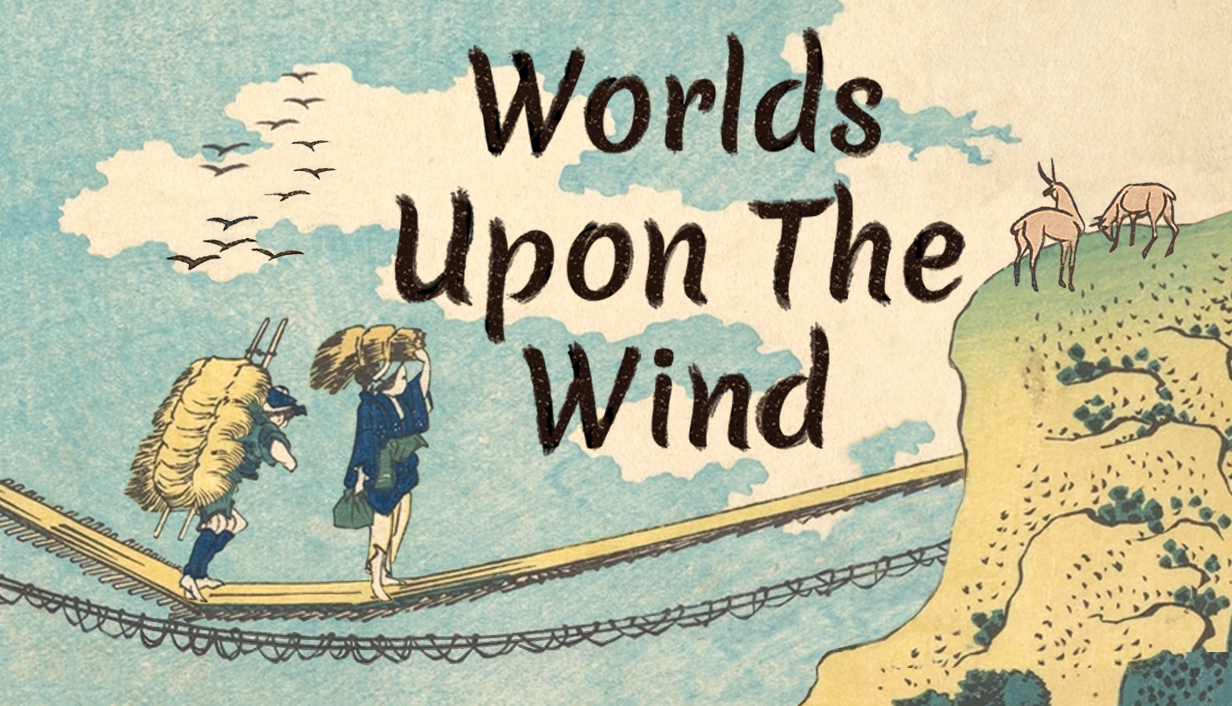
Worlds Upon the Wind is developed by solo dev Max Shawabkeh and is described as a “peaceful roguelite deck builder” that takes inspiration from classical Japanese art. As a lifelong fan of Japanese culture, I was all over this one, and wasn’t disappointed by the painstakingly crafted visuals and complementing soundtrack, each of which feels authentically traditional and creates a peaceful moment of relaxation for you to rewind while you play. Draw cards bearing Kanji characters and use them to create resources like mines, springs, and tea houses, and bring to life communities with different names and characterisations depending on which amenities they become famous for. When trouble strikes, guide your people through each challenge with your best advice and the glyphs at your disposal!
TL;DR: Worlds Upon the Wind Foxfire Review Scores & Rating: 4.5
Price Point:5/5. I was sent a game key for the demo version, and based on what I’ve played, it’s impossible for me to argue with $12.99 CAD for the sheer amount of content and character Worlds Upon the Wind offers. It’ll keep you playing for hours and coming back for more.
Fun Factor: 4/5
Gameplay: 4/5
Story, Characters & Worldbuilding: 4/5
Maps & Environment: 5/5
Music: 5/5
Recommended: Yes!
Keep reading as I give you a quick overview of the Worlds Upon the Wind demo, and make sure you wishlist on Steam to support the dev!
[Disclosure: I received a free review copy of this product from https://www.keymailer.co]
Read More Demo Sneak Peeks at Tails by the Foxfire:
Top 15 Demos From Steam’s June 2026 NextFest
Spilling the Tea on Kemono Teatime
Dragon Quest VII Reimagined Demo Review: A Creative Take on a Classic
What is Worlds Upon the Wind?
Developed by solo dev Max Shawabkeh, Worlds Upon the Wind is described as a “peaceful roguelite deckbuilder” inspired by Classical Japanese art. In it, players will take on the role of an enlightened one who guides communities in settling new communities across sundered worlds called ‘shards’. Presented with randomly generated maps and a deck of cards bearing runes that look like Kanji characters, the player will decide where to settle, use their growing deck of cards/’glyphs’ to build amenities like rice fields, mines, springs, or tea houses and markets, and decide the best course of action for their followers when faced with multiple-choice opportunities like natural disasters and key cultural moments. The choices you make and the amenities you build will determine the name and nature of each of your settlements, as well as what they are famous for and the impact they have on that shard (such as beauty, stability, faith, and community strength).
Worlds Upon the Wind by Max Shawabkeh Trailer
Is Worlds Upon the Wind Story-Based?
While not strictly story-based in a linear sense, the story component of Worlds Upon the Wind is constantly evolving in response to your choices. Building certain amenities will provide you with a snippet of story related to the city you are currently building, and how you respond will determine how things turn out for your people. You will also be faced with surveys as you settle your lands, which challenge you with delicate events that require your guiding hand. These surveys aren’t as easy as selecting the best option though: you’ll have to advise based on the current glyphs on your hand, which injects a refreshing feeling of unpredictability and lack of control into an otherwise very chill, peaceful game. It keeps things fresh, and stops the gameplay loop from lapsing into idyllically dull and predictably happy if, like me, you would never choose the option that leads to hardship unless your hand was forced by limited resources in this way. As a result, communities feel authentically fleshed out even during the brief rounds you spend building them.


How Does Japanese Classical Art Play a Role in Worlds Upon the Wind?
The visual style of Worlds Upon the Wind is heavily inspired by Japanese Classical Art conventions and colours, complemented by a traditional instrumental soundtrack that feels peaceful and immersive. Resources and amenities are created using glyph scrolls, each bearing a Kanji character and its associated meaning in English, adding an element of language-learning in there for any who aspire to practice their reading skills. Whenever you make a new amenity or resource, it materialises on the classically-drawn map and ends up looking like a cohesive piece of ancient art.
Entrenched in classical Japanese culture, I easily lost hours to Worlds Upon the Wind and found it to be the ideal way to wind down after a stressful day at work, and was curious to know what I was missing out on in the full game where the demo seemed to generously keep going for as long as you’re willing to play. I saw mention of animal companions with stories on the Steam page and haven’t encountered those in the demo, so it seems despite the wealth of free content that there is plenty yet to discover in the full version. Sign me up!


Where Can You Play Worlds Upon the Wind?
Worlds Upon the Wind is available to play now on Steam, with a demo also available if you want to give it a try for free!
Worlds Upon the Wind FAQ: Frequently Asked Questions
As of its July 2026 release, Worlds Upon the Wind is currently available on Steam for Windows, Mac, and Linux.
Worlds Upon the Wind was developed by solo dev Max Shawabkeh
No, developer Max Shawabkeh has confirmed that all visuals used for Worlds Upon the Wind art hand-drawn or historical, the music is licensed, and the code and writing are original as well, so it’s an entirely human-made experience.
Video Game Reviews, Deep Dives, and Quickstart Guides at Tails by the Foxfire
Thank you very much to Max Shawabkeh for generously providing the Foxfire with a key for the Worlds Upon the Wind demo! I thoroughly enjoyed the time I spent recovering the world shards and am excited to continue raising communities with my best guesses and trusty glyphs.
What are your feelings on rogue lites and deckbuilders? Does Worlds Upon the Wind’s classical Japanese character sound right up your alley? Leave a comment below with your thoughts, and don’t forget to subscribe to make sure you never miss a post! We regularly share video game reviews, deep dives, demo sneak peeks, indie spotlight reviews, and quickstart guides, so stay tuned for more!
For more video game reviews, indie spotlights, quickstart guides, and deep dives, make sure you subscribe to Tails by the Foxfire to make sure you never miss a post.
Are you an indie developer or a PR team looking to collaborate with Tails by the Foxfire? Look over our official press kit and get in touch via email or contact form, or find us on Keymailer or our Steam Group, where you can also browse our curated game recommendations!
[Disclosure: I received a free review copy of this product from https://www.keymailer.co]





Leave a Reply